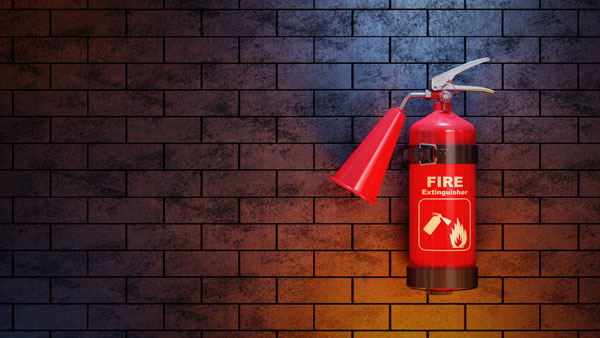
Training & Mock Drills
For Safer Teams
Practical, site-relevant training for fire safety and basic HVAC operations—built to improve readiness, reduce panic, and support compliance through documented sessions.
Training Modules
Choose modules based on your building type, team roles, and safety requirements.
Fire Safety Awareness
Fire triangle, common causes, prevention practices, and emergency response basics for all staff.
Use of Fire Extinguishers
PASS technique, extinguisher types, practical demo, and safety precautions during usage.
Emergency Evacuation & Assembly
Exit routes, crowd guidance, assisting visitors, assembly point discipline, and roll-call protocol.
Fire Warden / Floor Warden Training
Roles, checklist responsibilities, coordination with security, and escalation communication.
Mock Drill Planning & Execution
Scenario planning, drill execution, observation notes, and improvement actions.
Basic System Familiarization
Panels, pumps, hydrant/sprinkler overview, alarm response actions, and do’s & don’ts (site-specific).
HVAC Basic Ops & Safety
Basic AHU/FCU controls, filter hygiene, ventilation awareness, and safe escalation for faults.
First Response & Incident Reporting
Initial response steps, calling protocols, and incident reporting structure for faster resolution.
Who It’s For
- Corporate offices & IT parks
- Hotels, malls & commercial buildings
- Industrial plants & warehouses
- Hospitals, schools & campuses
- Security teams, facility teams, and floor wardens
What You Get
A practical session designed for real-life response, with documentation support as agreed.
- Role-based briefing for staff, wardens, and security
- Practical demonstration (where permitted)
- Session summary + attendance documentation
- Recommendations for improvement actions
Delivery Formats
We deliver sessions based on your site availability and operational constraints.
On-Site Classroom + Practical Demo
Short theory + live demonstration with equipment (where permitted).
Mock Drill With Observations
Planned drill, observation notes, and corrective actions for the next cycle.
Refresher Sessions
Quarterly / half-yearly refreshers for staff turnover and readiness.
Outcomes
Training is only valuable when it improves real response behavior.
What Improves After Training
- Better evacuation discipline and reduced panic during emergencies
- Improved first response with correct extinguisher selection and usage
- Clear warden roles and escalation communication
- Documented training records to support audits and compliance
- Action points for improving signage, routes, or equipment readiness
Recommended Frequency
Frequency depends on your staff turnover and site risk. A typical approach:
- New joiners orientation: monthly or quarterly
- Refresher sessions: quarterly / half-yearly
- Mock drills: quarterly (or as required)
- Warden/security role-based: quarterly
Share your building type and team size. We’ll propose a training + drill cycle.
Request CalendarFAQ
Quick answers about training and drills.
How long is a typical training session?
Most sessions range from 60–120 minutes depending on module scope and team size. Mock drills may require additional coordination time.
Do you provide attendance and training documentation?
Yes. We can provide attendance sheets and a session summary with key points covered, along with documentation as agreed.
Can training be customized for our site?
Yes. We tailor content to your building type, exit routes, assembly points, and installed systems.
Do you train security and wardens separately?
Yes. We can run role-based sessions for security, facility teams, and designated floor wardens.